Overlapping Clinical Signs Make Neurologic Disease Diagnosis Difficult
Wednesday, January 14, 2026 | Posted by Liz Ruggiero

There has been a significant rise in claims for horses with neurologic issues. Kentucky Equine Research Equinews shares some information.
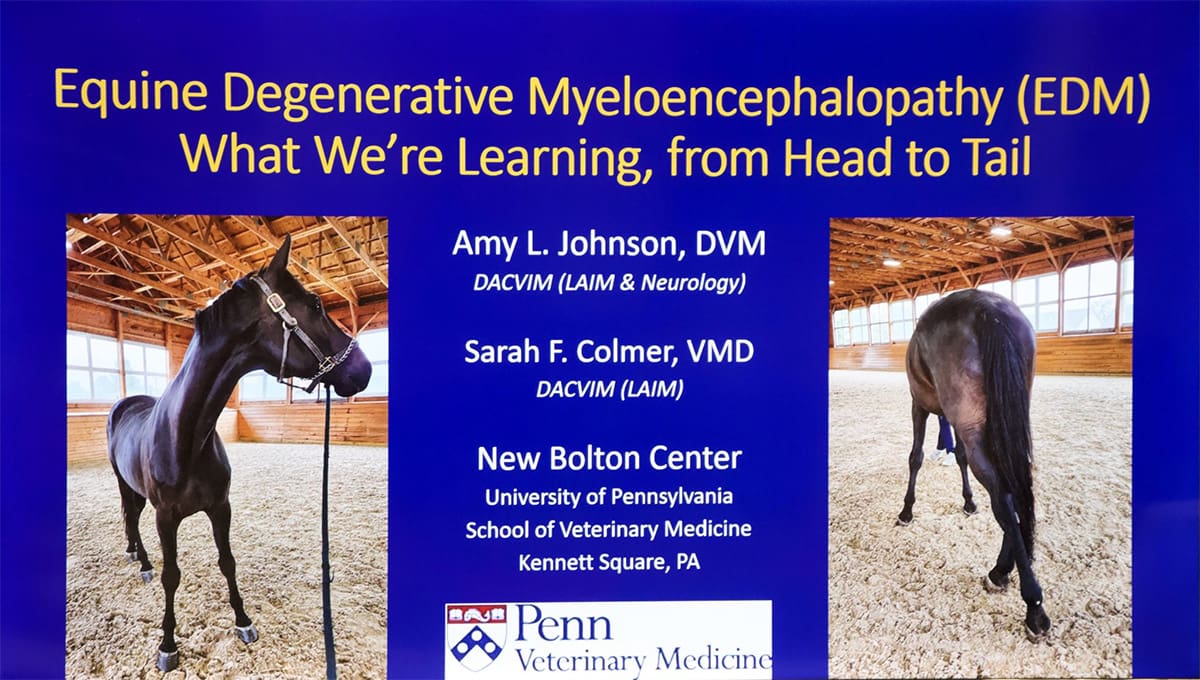
Diagnosing neurologic diseases in horses can be a challenge. Veterinarians often struggle to pinpoint the underlying cause because clinical signs such as incoordination, stumbling, and abnormal gaits overlap across multiple conditions. Two of the most common are cervical vertebral stenotic myelopathy (CVSM) and equine neuroaxonal dystrophy/degenerative myeloencephalopathy (eNAD/EDM).
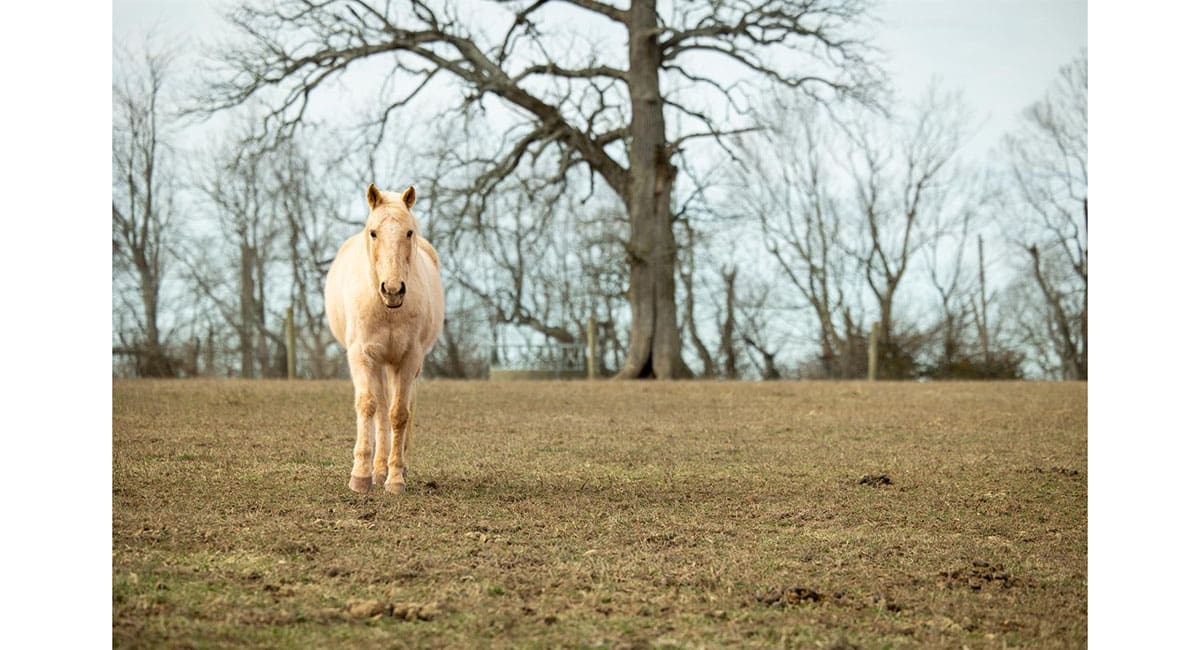
Photo – Shelley Paulson
Remarkably Similar
Previously known as wobbler syndrome, CVSM occurs when the spinal cord in the neck is compressed. In contrast, eNAD/EDM is linked to low vitamin E intake combined with a genetic susceptibility. Despite their different causes, the two conditions can look remarkably similar in affected horses.
Molecules called cytokines produced by specific cells in the nervous system circulate in the cerebrospinal fluid (CSF) and may serve as markers of inflammation. Researchers have hypothesized that analyzing CSF cytokine levels could help differentiate neurologic diseases with similar symptoms.
“Measuring cytokine levels in CSF may help veterinarians distinguish conditions such as CVSM and eNAD/EDM,” said Kathleen Crandell, Ph.D., a nutritionist for Kentucky Equine Research.
To investigate this potential, researchers tested banked CSF samples from 35 horses with CVSM, 35 horses with eNAD/EDM, and 8 healthy horses. They used a commercial kit that simultaneously measured 23 cytokines, including interleukins, interferons, and tumor necrosis factor-alpha.*
Not Reliable
“Unfortunately, this commercial equine-specific assay could not reliably differentiate between CVSM and eNAD/EDM,” Crandell explained. “The cytokine concentrations in CSF were too similar to serve as a diagnostic tool.”
Despite this setback, the team believes cytokines still hold promise and encourage further research in this area.
Meanwhile, understanding and addressing vitamin E deficiency remains critical. “Vitamin E deficiency appears to contribute not only to eNAD/EDM but also to vitamin E–responsive myopathy and equine motor neuron disease,” said Crandell. “Vitamin E acts as an antioxidant, protecting cells from damage caused by free radicals. Supplementation is commonly recommended when treating these disorders.”
Nano-E is a water-soluble, highly bioavailable liquid vitamin E supplement formulated specifically for horses using nanotechnology, designed to support neurological and muscular health.


Latest News
LOOKING BACK

Lisa Wilcox and Ace of Clubs win The Accuhorsemat Accuracy Award Wellington, FL – [...]

Eric Lamaze and Zigali P S, owned by Artisan Farms, won the €24,000 1.50m [...]
Featured Real Estate





Featured Horse