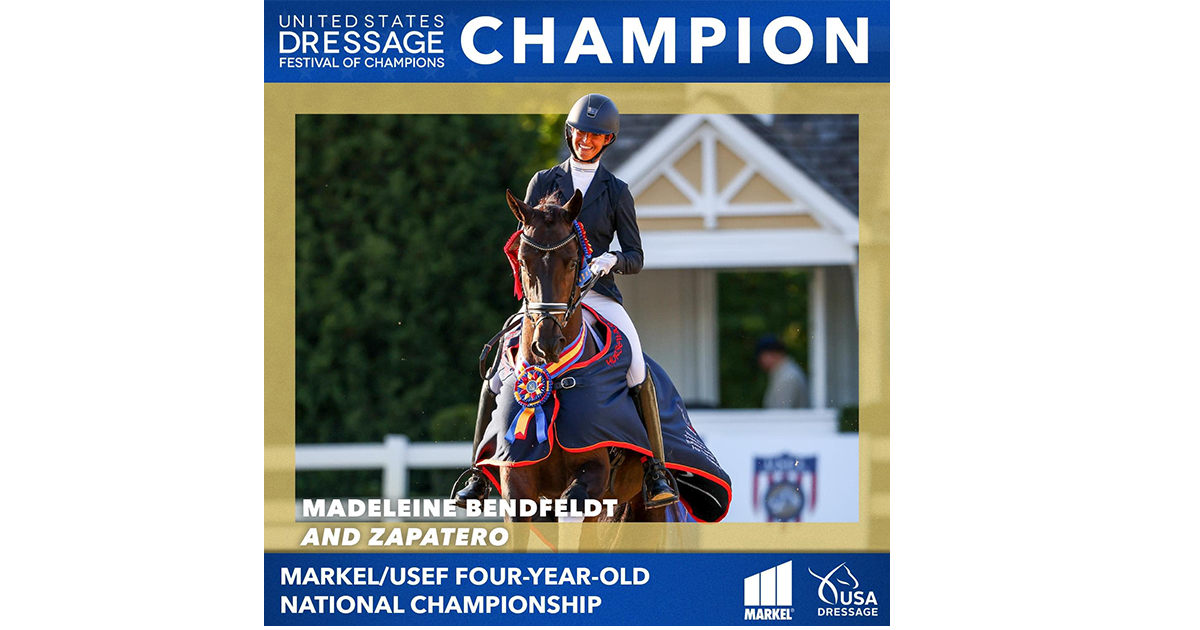
Navigating B-1/B-2 Visas for International Equestrian Professionals Coming to the USA
Wednesday, March 5, 2025 | Catherine Toner - International Equestrian Sport Group

For riders, trainers, and other support staff in the horse industry, understanding the limitations of the B-1/B-2 visitor visas is essential to ensure a smooth and lawful stay in the United States.
ESTA vs B-1/B-2 Visa
The ESTA (Electronic System for Travel Authorization) is an automated system that allows citizens of certain countries to travel to the U.S. for up to 90 days without obtaining a visa, under the Visa Waiver Program (VWP). In contrast, a B-1/B-2 visa is a traditional visa that allows entry to the U.S. for similar purposes but typically permits longer stays, up to six months. Unlike ESTA, the B visa requires a formal application process at a U.S. embassy or consulate.
Permissible Activities on a B-1/B-2 Visa
The B-1 visa is intended for business visitors, while the B-2 visa is for tourists. However, neither visa category permits employment within the United States.
· Tourism: The B-1/B-2 visa allows you to stay in the U.S. for up to six months, making it ideal for attending a series of horse shows, a racing meet, or an event season.
· Competition: International equestrian athletes can compete in the U.S., as long as they are not employed by or receiving payment from a U.S. entity. Prize money is permissible, but you cannot accept any other form of compensation.
· Business: Under a B-1/B-2 visa, you may engage in certain business-related activities, such as negotiating contracts related to the sale of a horse or attending professional seminars or conventions.
Specific Considerations for Jockeys and Other Equine Professionals
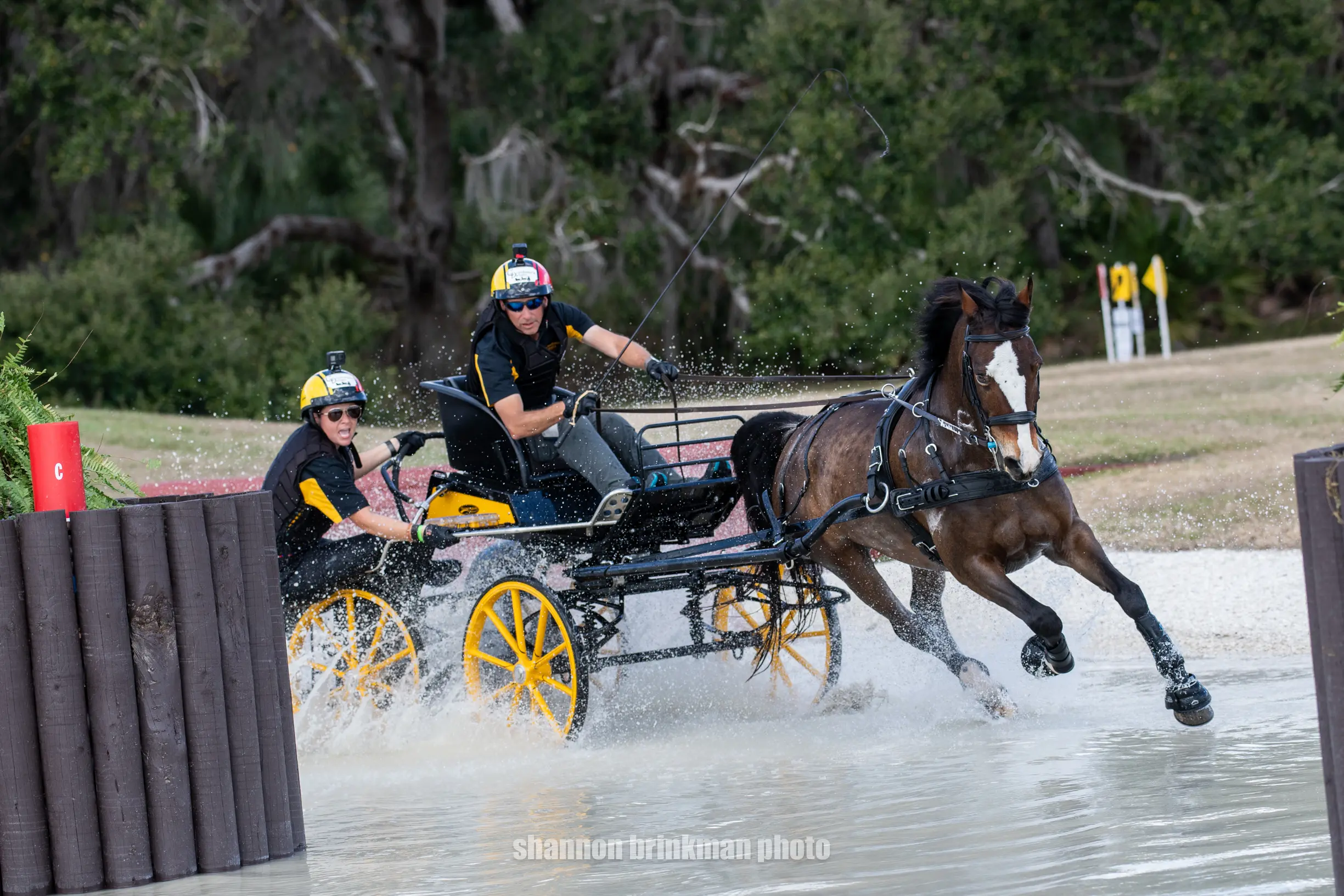
There are specific provisions under the B-1 visa for certain equine professionals, such as jockeys, trainers, sulky drivers, and grooms, who perform services on behalf of a foreign-based employer. These individuals can be classified under the B-1 visa, provided they maintain ties to their foreign employer and do not engage in gainful employment with a U.S. entity.
Consequences of Unauthorized Work
Engaging in work while on a B-1/B-2 visa can lead to serious repercussions, including visa denial, revocation, or being barred from re-entering the U.S. Unauthorized work could also negatively impact future visa applications. Even if you are not directly paid for your activities, if U.S. authorities perceive your actions as work, you may face consequences. This means engaging in activities like competition grooming, managing a stable, or providing riding lessons in the U.S. are off-limits under this visa.
Key Points for Professionals Entering on B-1/B-2 Visas
• Temporary Intent: Ensure that your visit is temporary and that you plan to leave the U.S. after your stay. Demonstrating a strong home base in another country is crucial and frequent entries under a B-1/B-2 visa could raise red flags with immigration officials.
• No U.S.-Based Salary: Under a B-1/B-2 visa, you are not authorized to work and may not receive any compensation from a U.S. entity; however, under certain circumstances prize money may be acceptable.
• Visa Discretion: B-1/B-2 visas are not guaranteed and can be revoked if the terms are violated. So, when in doubt, seek advice from an immigration expert.
Featured Community


Save the Date
The STRIDE Dressage Club of Ocala, established in 1989, serves as the backbone for [...]
Latest News