Madeleine Bendfeldt on Training Young Dressage Horses: A Foundation for Future Champions
Friday, May 2, 2025 | April Hardeman
Madeleine Bendfeldt on Building Champions: The Art of Developing Young Dressage Horses
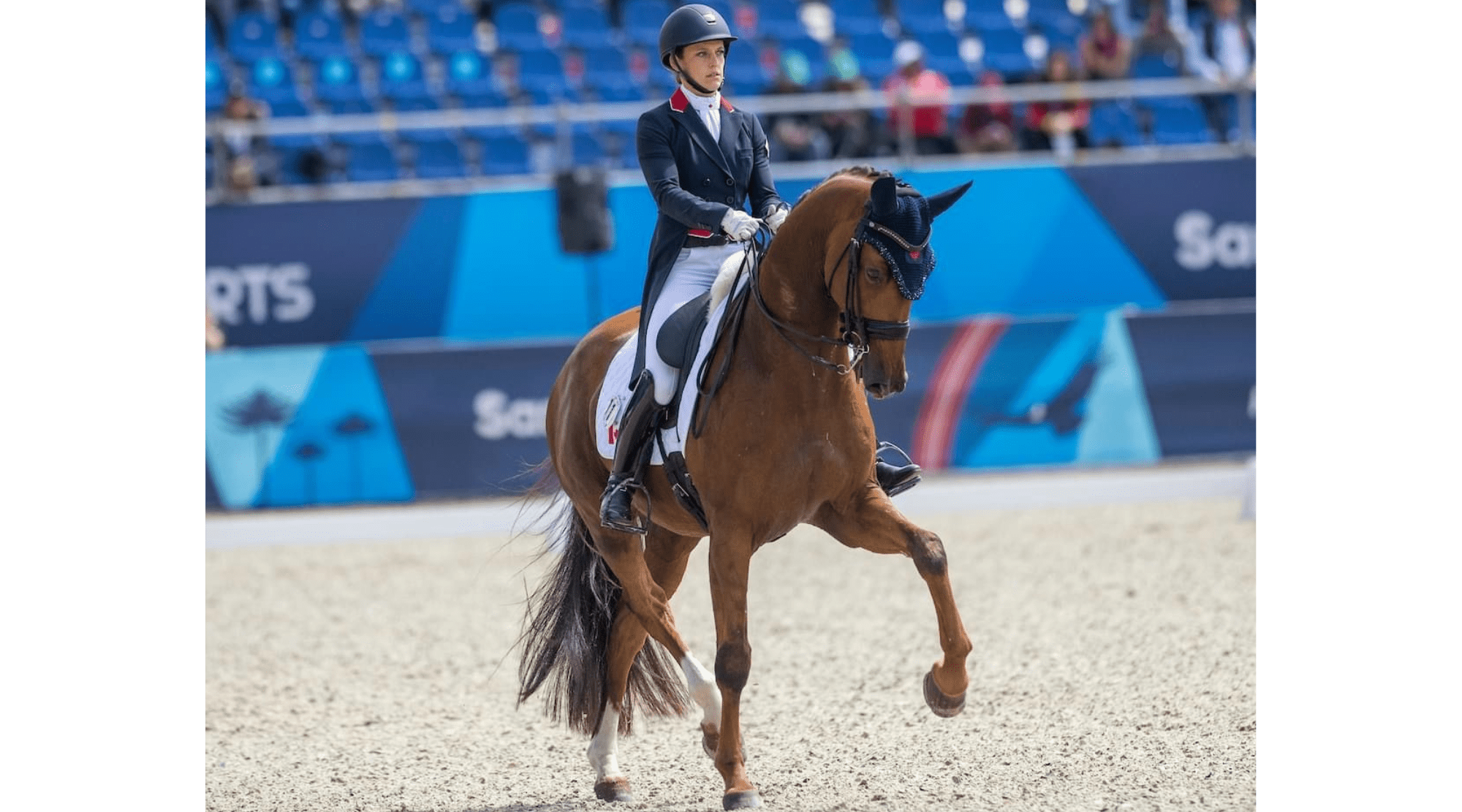
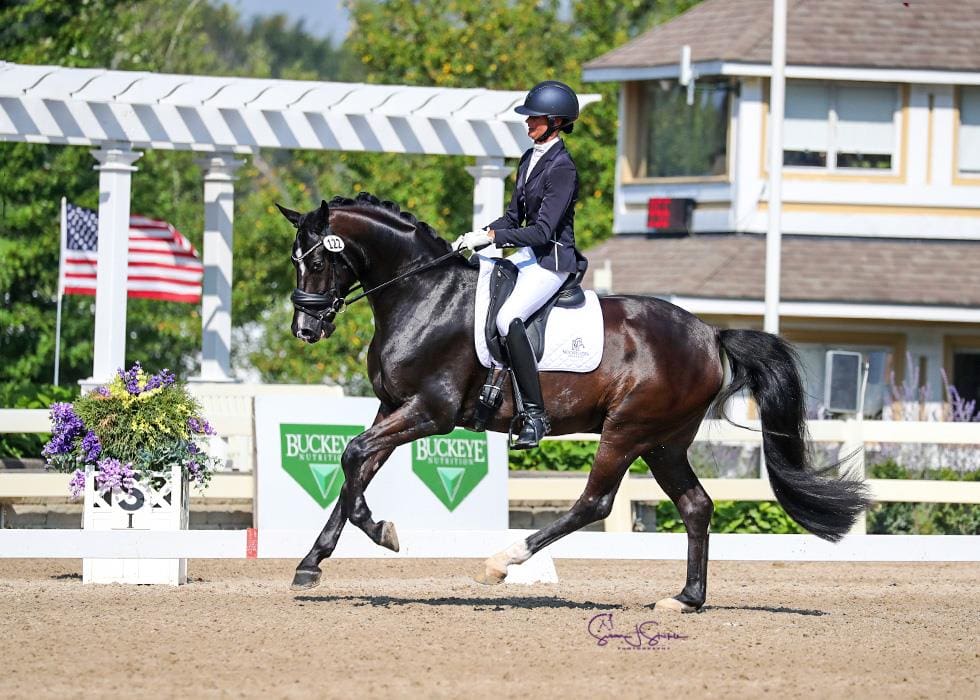
Madeleine Bendfeldt, an International Equestrian Sport Group athlete from Germany and accomplished dressage rider based in Wellington, Florida, shares her insights into training young horses and her journey from Europe to the U.S. spotlight.
What inspired your move from Germany to the United States?
Honestly, the weather was the first big draw! Escaping the cold German winters for the sunshine in Florida sounded like a dream. But over time, I fell in love with the lifestyle, and I’ve met so many incredible people here. That made the decision to stay quite easy.
Professionally, the biggest motivator was the unique opportunity to develop young horses in the U.S. It’s a space that allows for creativity, patience, and vision in training.
What core principles guide your approach to training young horses?
Training young horses is all about respecting the classical training scale: Rhythm, Relaxation, Connection, Impulsion, Straightness, and Collection. But just as important is understanding that each horse develops at its own pace.
There’s a German saying: “The horse leads the way.” That mindset is key. You must adapt your expectations and your program to suit each individual horse. Rushing the process only creates problems later.
Reflecting on your success at the Markel/USEF Young and Developing Horse Championships, what made the difference?
Experience is a huge factor in these championships. You need to truly understand your horse—its strengths and weaknesses—so you can present its best self in the ring.
But the real preparation begins long before the championship. From the very first show, I work to ensure that each horse has a positive experience. A confident horse is one that can shine down the centerline. That early groundwork is what sets you up for success later.
How do you prepare young horses for the pressures of competition?
It’s all about building trust and confidence. The process looks different for each horse. A timid horse might just visit a showground to school and get familiar with the environment. A spooky one might benefit from regular trail rides to build exposure and resilience.
Sometimes even taking them to a nearby facility is enough to create new experiences and develop consistency. It’s not about repetition alone—it’s about thoughtful, individualized planning. The goal is to eliminate tension so the horse can truly perform.
What advice would you give to riders aiming to compete with young horses at national championships?
Be honest—with yourself and with your horse. Not every horse is ready for the big stage, and that’s okay. The qualification process should be a journey of assessment, not ambition.
It’s far more important to prioritize your horse’s long-term development than to chase a ribbon. These championships are just the beginning of a horse’s career. Putting too much pressure on a young horse can negatively impact its future.
If your horse is ready, embrace the experience. There’s nothing more fulfilling than knowing you’ve brought a horse up through the levels. That bond—and the work behind it—is something no title can replace.
What drives you, and what are you most proud of?
I’m incredibly proud to specialize in the development of young horses. It’s the foundation of the entire sport. Without solid, thoughtful early training, there’s no future at the top levels. To play a part in that journey—building the next generation of equine athletes—is something I take deep pride in.
Featured Community

Save the Date

The STRIDE Dressage Club of Ocala, established in 1989, serves as the backbone for [...]
Latest News