
Should I Let My Horse be Used in a Lesson Program to Offset Board Costs?
Wednesday, April 21, 2021 | Liz Ruggiero
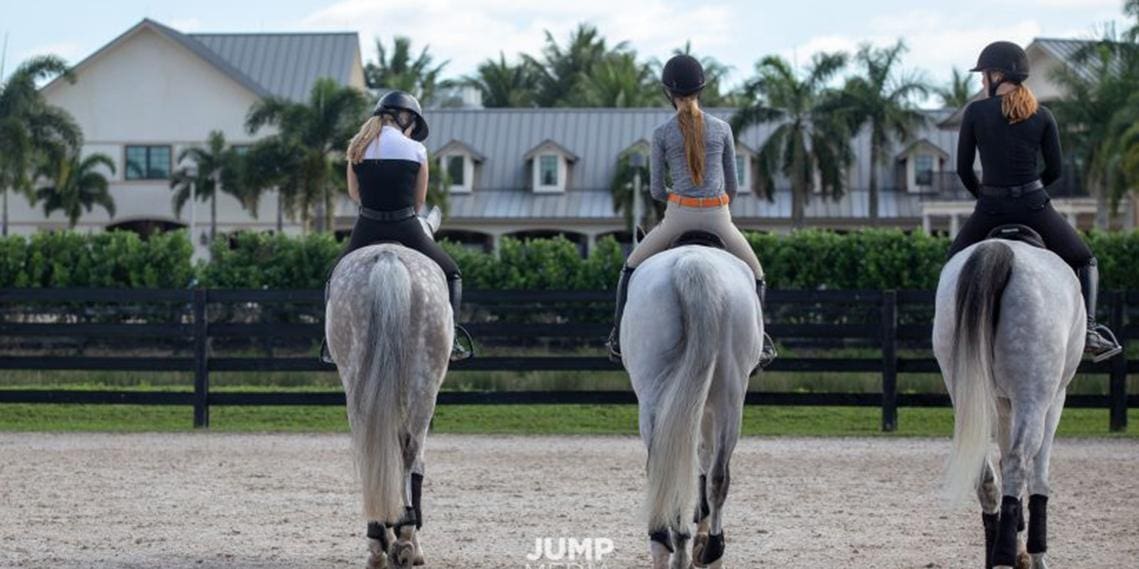
Q. When our barn’s lesson program starts back up again after the quarantine, should I let my horse be used in my trainer’s lessons in order to help offset my monthly board costs? He would be perfect for the job and I’d love the reduction on his board, but I’m not sure of all the risks involved.
A. With the coronavirus pandemic affecting many equestrians’ financial situations, horse owners might be looking for ways to offset barn expenses in the near future after training programs are back to their normal routines. In certain situations, allowing your trainer or barn owner to use your horse in lessons, if he’s suitable for the job, could be a way reduce a portion of your board. However, before you dive into this agreement, there are a few things to keep in mind.
Even if your horse is quiet and capable of acting in this role, there are still certain “what ifs” to consider. What if he gets injured when someone else is riding him, or what if a rider falls off him during a lesson and gets hurt? You’ll want to make sure you address all liability concerns before setting up this type of agreement.
Though the farm owner likely has liability insurance, and also uses a liability waiver to protect him or her, this type of insurance or liability release does not typically protect individual horse owners or boarders. Make sure to take the necessary precautions to protect you and your horse before beginning this arrangement.
Here are three things you can do:
Once liability coverage is established, have all the details of the agreement between you and the farm owner documented in a signed contract. Here are some things that this contract should include:
- Horse’s name and owner’s name, as well as identifying characteristics of the horse (age, breed, markings, etc.).
- Terms of use, which would include the number of lessons per week. Also, specify the type of lessons in which the horse will be used, including flat and/or jumping, and the height of the jumps. Include the days of the week the horse can be used in lessons, as the owner might have set days to ride.
- The tack to be used in the lesson, including saddle, bridle, and protective boots (if necessary), as well as mention of the person(s) responsible for ensuring that the tack is in safe, working condition at the time of lessons.
- The level of rider required for lessons on the horse.
- Exactly who is allowed to use the horse in lessons, for example, the head trainer or assistant trainer.
- whether the lessons are confined to the ring or if riders are allowed to take the horse in a field or on trails for a warm-up or cool-down before and/or after the lesson. Also, who is responsible for untacking the horse and making certain the horse is in safe condition for return to stall or pasture?
- Whether the horse requires any pre-lesson preparation. For example, if the horse has not been ridden or turned out consistently prior to the lesson (due to weather, etc.), does he need to be lunged before the lesson?
- Disclosing any bad habits the horse might have such as biting, kicking, spooking, refusing fences, etc., and who is responsible for conveying this information to the rider. Also, identify whether it is acceptable or suggested to use a stick and spurs when riding the horse.
- Payment details regarding the number of lessons and reduction of board.
- In the event a horse is injured or exhibits lameness during a lesson, who is responsible for notifying the owner, contacting a veterinarian, and making payments for evaluation and/or treatment of the horse? If the barn owner and horse owner use different veterinarians, which veterinarian will be contacted to treat the horse?
- Whether it is permissible to have person lessoning on horse post photos and identifying information of horse and rider on social media.
The most important thing is knowing the trainer and knowing that the trainer understands your horse and what is appropriate for your horse to do in terms of amount of work, jumping, and type of rider.
Before beginning this type of somewhat complicated arrangement, weigh the cost of any insurance coverage you would pay for against the amount you would save with a reduction in board. If it is financially beneficial to you, and if a suitable contract is agreed upon by everyone involved, then you can feel good about entering into this agreement and allowing your horse to be used in lessons. Otherwise, it might not be worth the hassle!
Article courtesy of Leone Equestrian Law
Featured Community
Save the Date
The STRIDE Dressage Club of Ocala, established in 1989, serves as the backbone for [...]
Latest News