
FEI Sports Forum – Important FEI Dressage Rules Revisions
Tuesday, March 31, 2026 | Posted by Liz Ruggiero

With the FEI Dressage Rules undergoing a full revision this year, discipline Director Ronan Murphy opened the final session of Day One of the FEI Sports Forum by talking through work-to-date on the 30 initial recommendations put forward by the FEI Dressage Strategic Action Planning Working Group (DSAPWG), 18 of which do not require a rule change and are either completed or ongoing, and 12 recommendations that would require a rule change. A number of these 12 were included in last year’s partial rule change for the discipline and came into effect on 1 January 2026, including the choice of using a snaffle bridle up to and including 3* level. The remainder are part of the current consultation period.
The recommendations from the DSAPWG covered six core strategic focus areas: judging and assessment (12 recommendations); horse health and wellbeing (6); tack and equipment (3); the warm-up area and Stewards (3); communication, promotion and engagement (4); and education (2).
The session then focused on key rule change proposals received from stakeholders by the 1 March deadline under the FEI Rules Revision Policy. These proposals include:
- Widening the age category for children, which would be addressed in the FEI General Regulations and will therefore be discussed across all FEI Disciplines;
- Reviewing and updating of FEI Dressage tests at all levels, which was last done in 2015. This does not require a rule change;
- The use of an ordinary draw for the Grand Prix at CDI level, removing the option of using the Dressage Rankings;
- Publication of Judges’ comments on tests;
- Amendments to Article 411.3 to clarify the definition of the area around the arena (as per the new Rule that was brought in last year);
- Increasing the minimum age of horses competing in senior tests at CDI2* and above from eight to nine, and some statistics on eight-year-olds participating at that level;
- Reviewing the use of the double bridle at 4* and 5* and Championship level. As part of this, the FEI is currently evaluating data on Grand Prix tests ridden in snaffle bridles at CDI3* level since the start of this year.
- The role of the FEI in the appointment of Officials, the evaluation of Officials, and transparency around conflicts of interest.
Task Force Approved
Following input from NFs and stakeholders on Article 424 around penalties and elimination, the FEI Board has approved the establishment of a Task Force (final name to be confirmed) to review the various rule proposals relating to horse condition (horse welfare, abuse of horse, etc) with the aim of finding multidisciplinary consensus. The proposed timeline, terms of reference, and composition of the Task Force will be submitted to the Board for approval at its in-person meeting scheduled for 30 June–1 July 2026.
The FEI Dressage Judge Monitoring Programme was also featured. The programme is designed to evaluate and educate FEI Judges, aid in the selection of Judges for top events, provide feedback on judging to all stakeholders, and monitor for bias and consistent misjudging.
The Director then moderated a Q&A session, and delegates took the opportunity to put questions to the panel of FEI Dressage Committee Chair Diana Al Shaer (PLE), the Chair of the FEI Dressage Strategic Action Plan Working Group George Williams (USA), and two of the Working Group members, Monica Theodorescu (GER) and Raphael Saleh (FRA). The Working Group was established in January of last year, with the goal of establishing a clear vision, realigning objectives, and creating actionable plans to enhance Dressage at all levels. Other members of the Working Group are Gareth Hughes (GBR), Kyra Kyrklund (FIN), Klaus Roeser (GER) and Lise Berg (DEN).
Q&A Topics
Topics raised during the Q&A focused on multiple areas, including the addition of movements such as stretching on a long rein in trot, which is being considered for inclusion in tests and was trialled at Warendorf (GER) recently, with horses moving from a high degree of collection to a more relaxed frame and back to high collection, with the rider in either sitting or rising trot. There was a lot of support for the use of artificial intelligence on the technical aspect of judging, and the Working Group has already consulted with a data analyst who works with other subjectively judged Olympic sports. The Working Group is also in the process of updating the Dressage Handbook and Dressage Judging Guidelines, which will be published online on 1 January 2027
Delegates put forward points around potentially reintroducing additional collective marks, which will be discussed as part of the full Rules revision process. The Dressage Director commented that the new Degree of Difficulty system will be introduced after the World Cup Final in Fort Worth. The Working Group has also proposed that all Dressage Trainers attending an FEI Event should be registered with the FEI and, mirroring the discussions during the Youth session, it was agreed that youth athletes should be only working with the best trainers.
Grounded in equine wellbeing, the Dressage Excellence strategy takes a holistic approach to securing the future of Dressage with the support of all stakeholders.
Featured Community
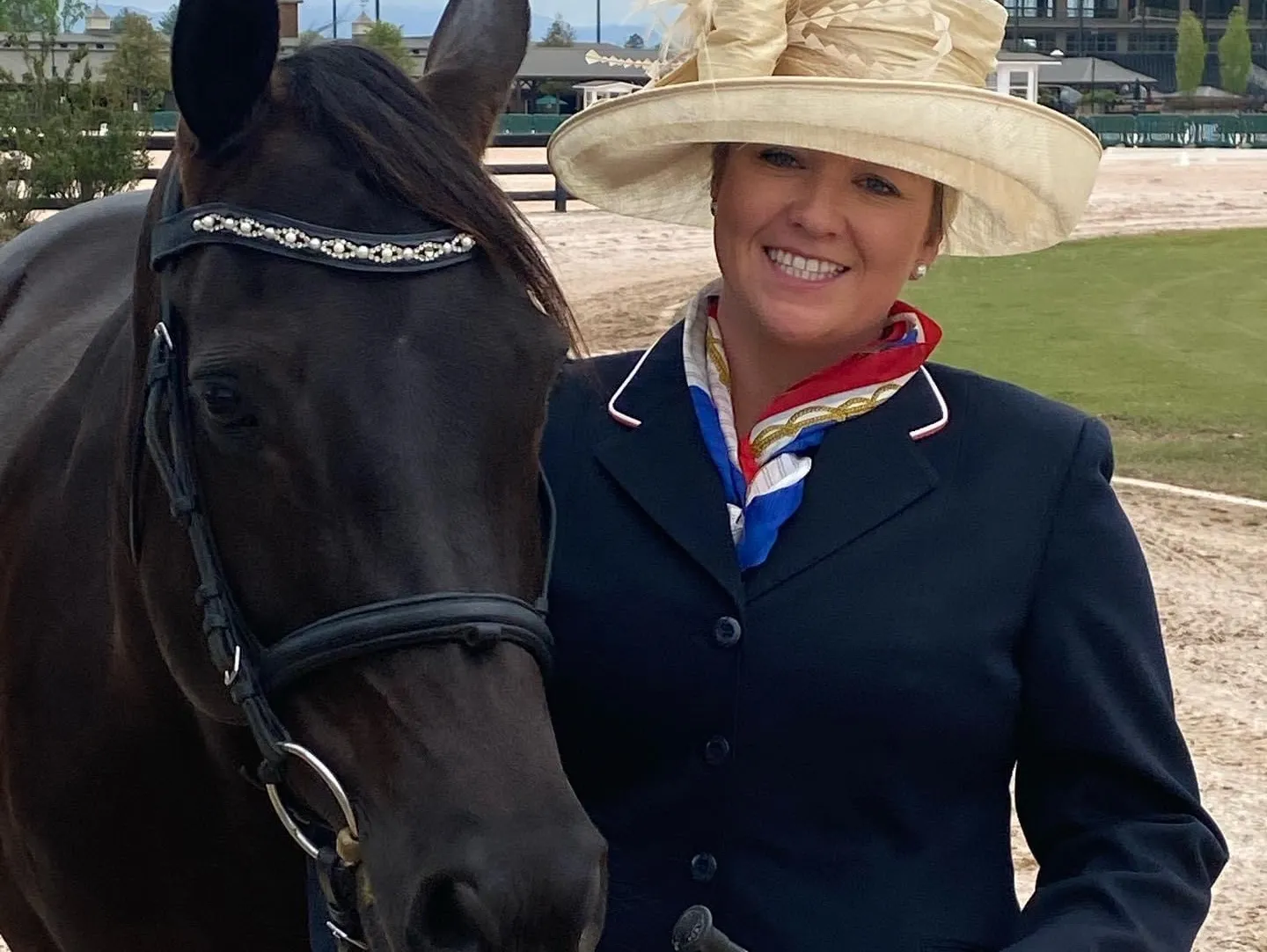
Taylor Bradish is a leading figure in American combined driving, merging deep horsemanship with unwavering dedication. Hailing from Flagstaff, Arizona, and now based in Windsor, South Carolina, Taylor’s journey in the sport blends early passion with elite-level achievement, all rooted in her commitment to training and horse care.


Save the Date

The STRIDE Dressage Club of Ocala, established in 1989, serves as the backbone for [...]
Latest News