Disaster Preparedness for Horses
Friday, June 29, 2012 | Posted by Mary Phelps

Make equine emergencies easier to handle with the three P’s: Plan, Prepare and Prevent!It’s not something any horse owner wants to think about, but disaster planning takes forethought for horses due to their size and transportation needs. Catastrophes can happen anywhere and can take different forms — from the most common barn fires to hurricanes, floods and wildfires. During any emergency, the time you may have to evacuate will be limited. It is vital for all horse owners to plan, prepare and prevent.
Barn Fires – Unfortunately, barn fires happen with some regularity and are the leading disaster for horse owners. Barn fires spread swiftly, leaving little time to forge an escape. Following are tips for horse owners:Plan
Be prepared for any cut or wound on your horse by downloading AQHA’s FREE Horse Wound Care report. In this report, you’ll learn the essential components of a first-aid kit, how to care for your horse’s wound, when to call the vet and much more.Prepare
Prevent
After a fire, be sure to have all horses checked by a veterinarian. Do not assume that just because the horse looks OK after a fire, that no damage has been done. Smoke inhalation can cause serious lung damage and respiratory complications. Horses are prone to stress and may experience colic after a fire.Hurricanes, Floods and WildfiresAn imminent hurricane, flood or wildfire creates two major upheavals for horse owners: mandated evacuation and immediate post-disaster property damage to barns, as well as power loss and unsafe road conditions prohibiting travel for food and/or medical supplies. Here are some tips:
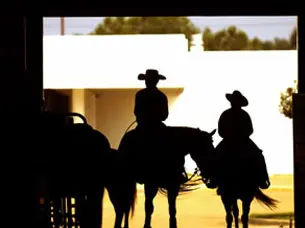
Preparation for All ScenariosMaintain horses’ encephalitis vaccinations every 6 months.Always have proper animal identification that’s updated and easily accessible, including: Pictures Brands or tattoos Microchip ID Fetlock ID bandsCreate an emergency barn kit that includes: Waterproof trunk Thermometer Bandages, scissors and gauze Ointment Radio, flashlight and extra batteries Poultice Electrolytes Flyspray (look for Farnam’s selection of fly sprays) Halter and shank Iodine, Furicin, peroxide and petroleum jelly Two-week supply of prescription medications Supply of dewormers (look for Farnam’s effective dewormer selection) Keep a one-week supply of water and feed on hand in the event of post-disaster inaccessibility.Photo: Learn how to protect your horses and your barn. Journal photo.


Latest News
LOOKING BACK

Today in the Grand Prix Gold Tour Competition against the clock and 1.45 m [...]
The question has changed. It is no longer "with what score will Edward Gal [...]
Featured Real Estate





Featured Horse