Best Standards of Care for Performance Horses Addressed at USEF Hosted Summit
Monday, May 19, 2025 | Christine Won, Malinda Larkin
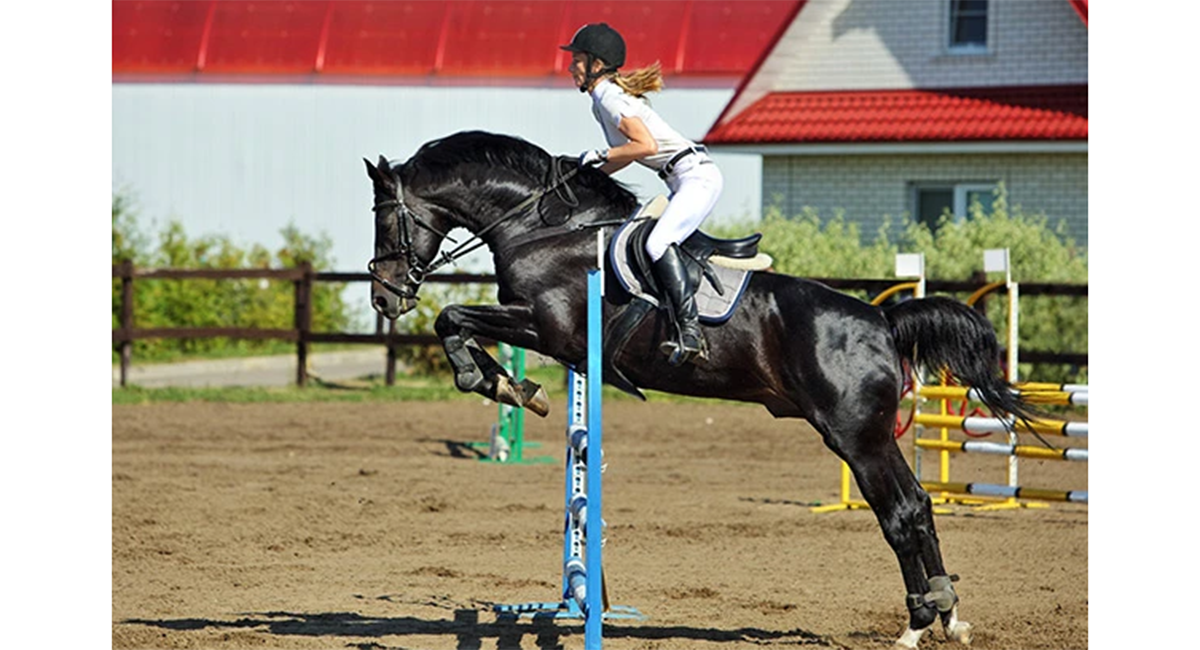
U.S. Equestrian Federation (USEF), the governing body for equine competition in the U.S., is drafting its standards of care for performance horses to publish this summer. These would apply to some 80,000 USEF members and 2,200 events.
In March, U.S. Equestrian convened a first-of-its-kind summit of veterinary experts to draft best standards of care for performance horses. The group hopes to publish its guidelines by late summer.
The global group of 28 veterinarians met in Ocala, Florida, to address what it called “critical issues” within equestrian sports. USEF recognizes and oversees the disciplines of dressage, eventing, jumping, combined driving, reining, endurance, vaulting, and para-equestrian, among others.
The move comes after recent incidents prompted USEF to update its welfare rules and bolster its investigative work.
“We felt it was necessary and important to facilitate dialogue between veterinarians around the world to ensure we’re at the forefront of understanding and implementing best care practices in the sport horse world,” Dr. Kent Allen, USEF Veterinary Committee chairman, told AVMA News.
March Summit
A USEF spokesperson said the summit sought to foster collaboration among veterinary professionals dedicated to equine horse care, including current and former team veterinarians, as well as experts from the horse racing industry.
“Bringing together veterinary experts from a wide spectrum of expertise and different breeds and disciplines has broadened our perspective on how best to care for horses,” Dr. Allen said. “Promulgating rules to protect the show horse is not enough. We must also explore whatever science-based methods we can find or create to promote the health and well-being of these magnificent animals.”
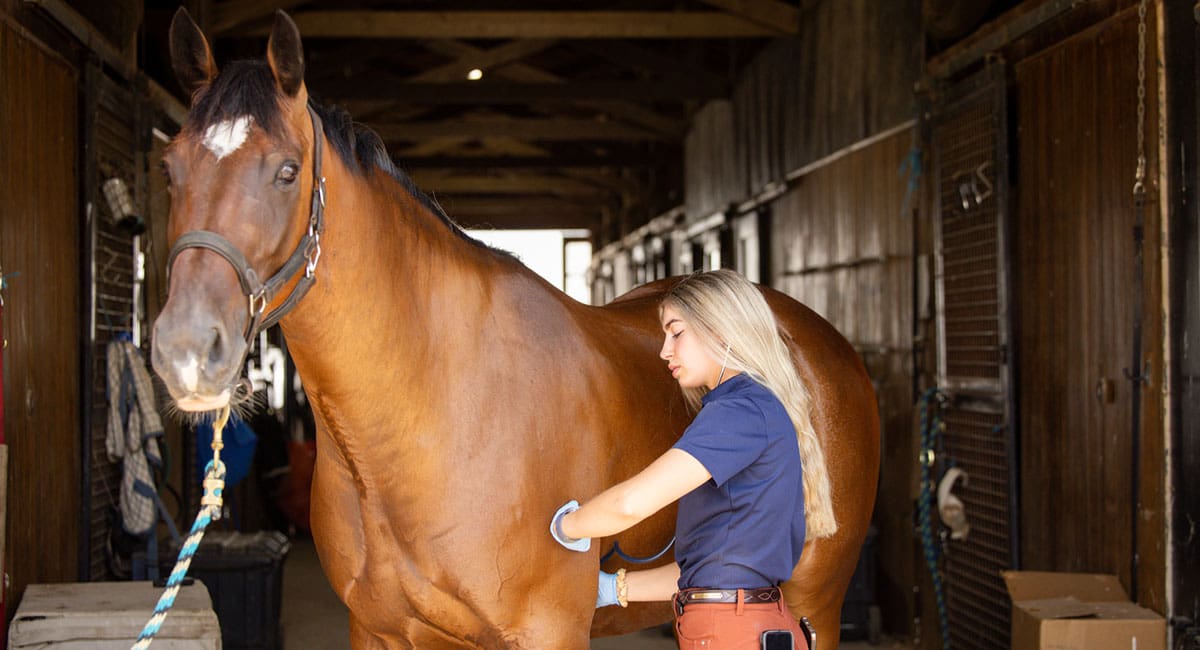
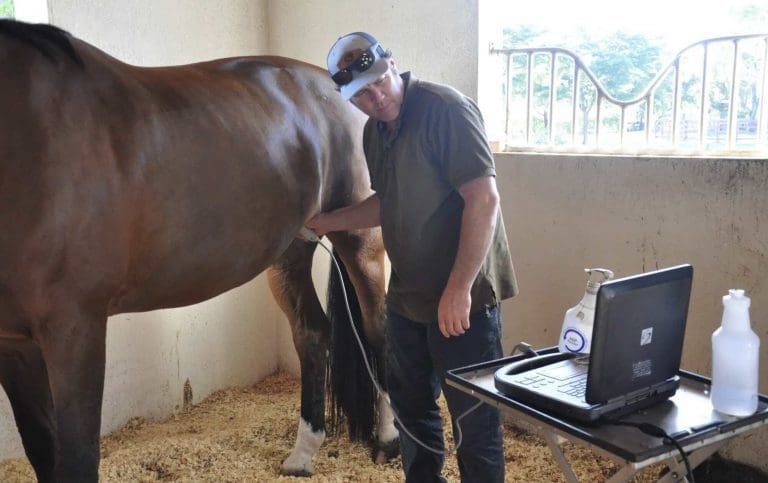
From preventive measures and injury management to competition fitness and wearable technology, discussions among experts covered various aspects of equine health, including science- and anecdotal evidence-based treatments such as homeopathy, supplements, joint injections, and shockwave therapy, according to a March 26 press release.
“The summit provided guidance and open discussion on how we can align the care of sport horses across the disciplines,” Dr. Allen said. “We discussed fundamental practices and also opened the door to other perspectives and approaches to better understand and mold the direction of sport horse veterinary care at all levels of competition for the future.”
International Collaboration
While basic industry standards have existed, the group could not specify the last time the guidelines were updated, only noting that the March summit marked the first of such an international collaboration.
“We care deeply about these horses we use for sport,” said Dr. Tracy Turner, president of the American Association of Equine Practitioners, in the press release. “Every horse, regardless of discipline, merits the level of care we have outlined here. The well-being of the horse should be the deciding factor in all that we do.”
USEF expects to publish its recommendations in late summer.
Horse Health and Welfare
Recent rules the organization has implemented have been aimed at improving rider and horse welfare following high-profile incidents of abuse.
For example, the USEF updated its Rule GR838, which addresses unethical treatment of horses, to expand its reach and mandate reporting of abuse. This change, effective December 1, 2024, for the 2025 season, grants USEF jurisdiction over horse abuse that occurs both on and off competition grounds, including private farms and stables.
The GR838 rewrite sought to address situations like the one involving dressage rider Cesar Parra, where video surfaced of him severely disciplining horses while training at home, according to a Chronicle of the Horse article. Because the alleged abuse did not take place at a competition, USEF was unable to act under its existing rules.
USEF has since increased staffing to prepare for the investigative work required by the new scope of horse protection, extending beyond competitions by hiring a full-time integrity unit investigator.
Another change to the rule offers a more comprehensive definition of what constitutes unethical treatment, including actions that compromise a horse’s health, safety, or wellbeing.
Extraordinary Rule Changes
The USEF’s board of directors approved several other “extraordinary” rule changes in January that became effective in April. These are aimed at better protecting thousands of horses that compete in sanctioned events, including new restrictions on substances that can be in the possession of non veterinarians on competition grounds.
A change to the rule on whip usage in eventing added language that says a whip “must never be used to vent an athlete’s temper. Such use is always excessive.”
In 2024, social license to operate—that is, the level of tolerance, acceptance, or approval of an organization’s activities—and the sustainability of the sport were front and center, with a few high-profile allegations of horse abuse making headlines worldwide, according to the USEF.
“Individuals who engage in unethical treatment of horses—regardless of location—are compromising the integrity of our sport and endangering its viability, sustainability, and public perception at a time when all equestrian sport, including USEF-governed breeds and disciplines, is under increasing scrutiny,” USEF CEO William Moroney wrote in a September 30, 2024, statement.


Latest News
LOOKING BACK

Two of the world’s best exponents of the Dressage phase are sharing the lead [...]
USDF University Sessions at Annual Meeting Educate and Inform An interesting [...]
Featured Real Estate





Featured Horse