Preparing Your Horse for International Travel
Thursday, August 7, 2025 | Palm Beach Equine
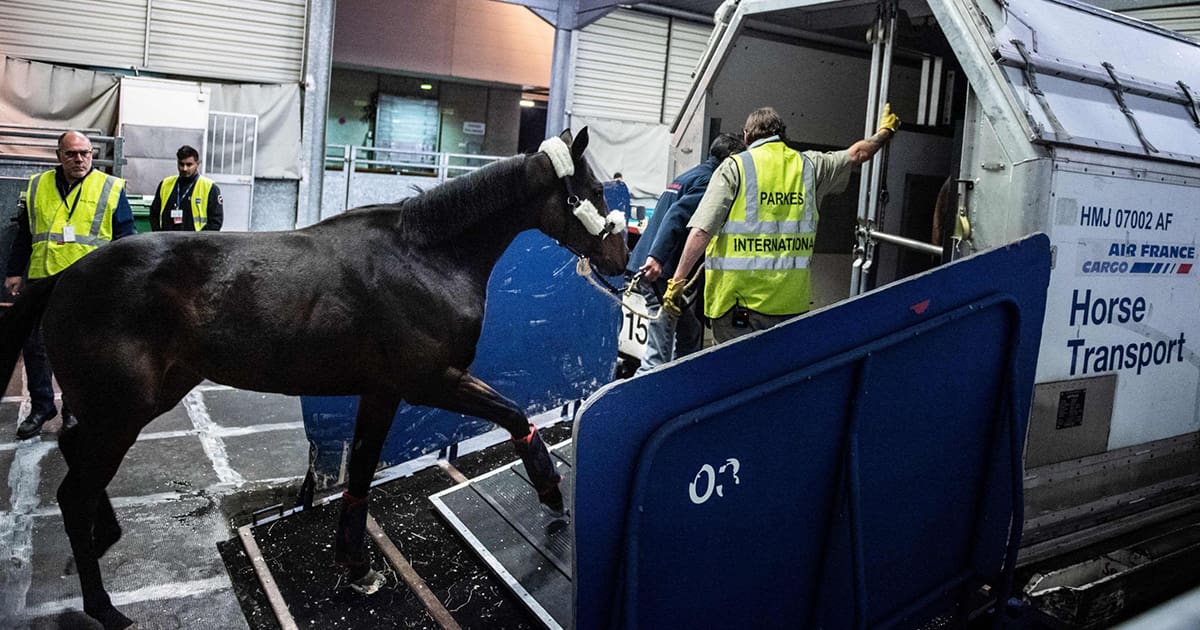
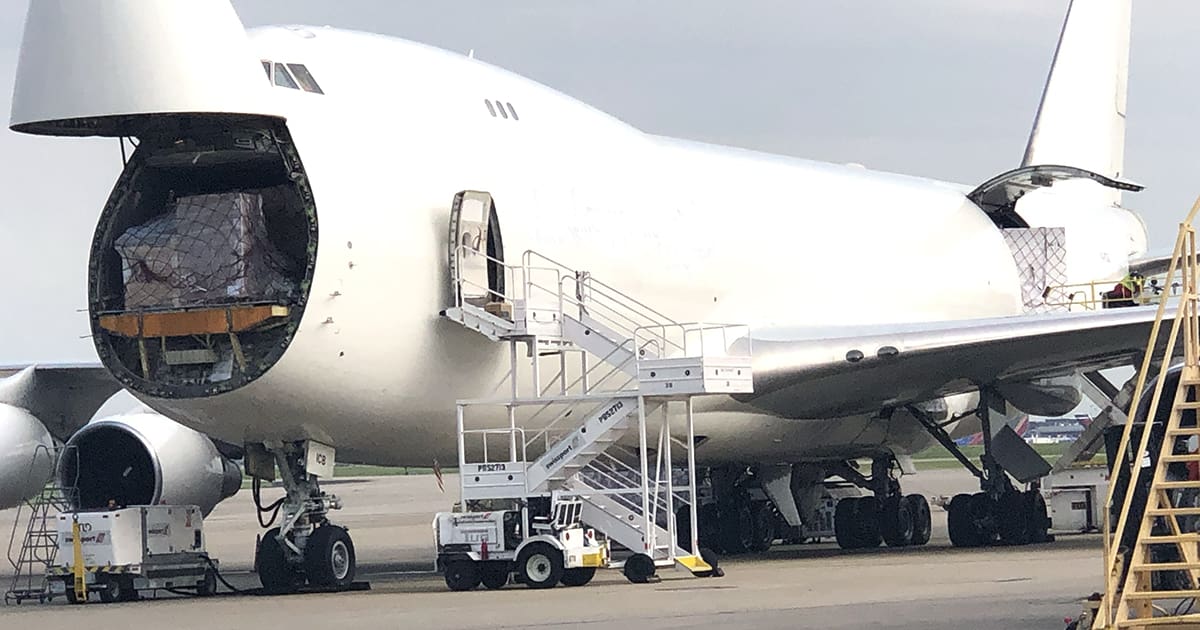
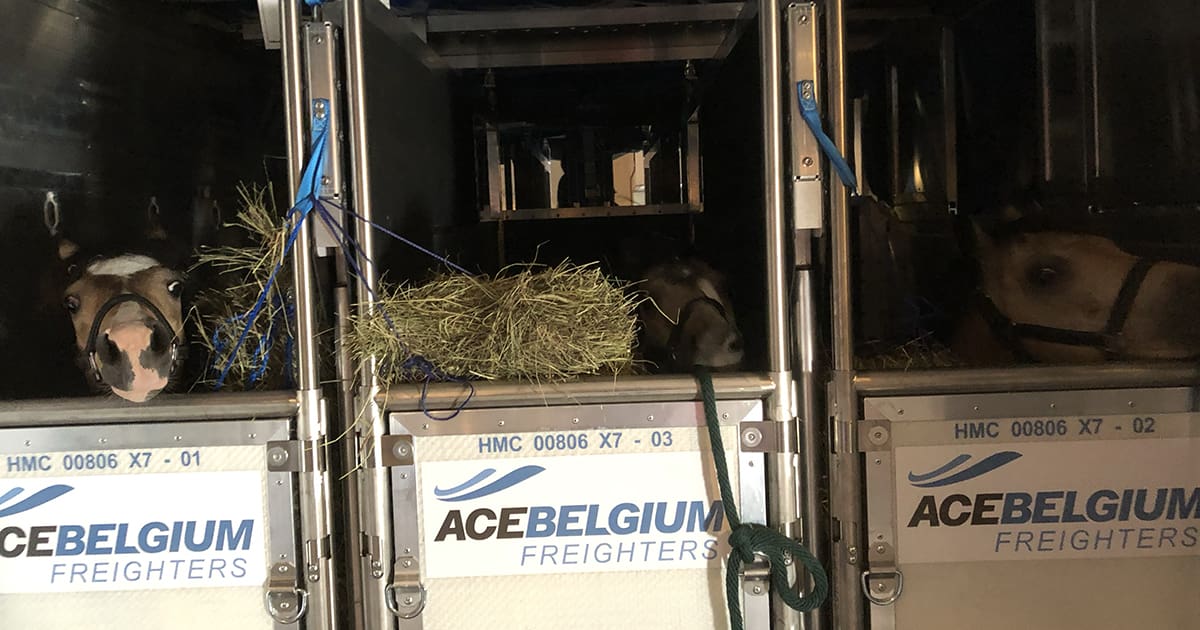
What to Expect When Exporting Your Horse
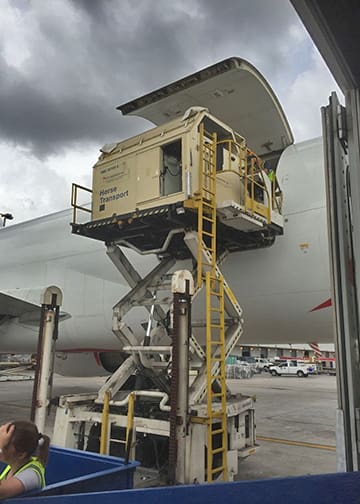 Unlike a human booking a trip abroad for a person, exporting a horse from the United States involves much more than simply reserving a spot on the airplane. Each country has its own entry requirements for horses, so owners should visit the United States Department of Agriculture (USDA) website to learn about the specific requirements for their horse’s destination.
Fortunately, a USDA-licensed veterinarian and even a knowledgeable shipping company can help guide owners through this process.
Dr. Janet Greenfield Davis Shares Advice For Owners Preparing Their Horse for International Travel
Be prepared early when you are planning to export your horse by plane. Photo courtesy of Dr. Janet Greenfield Davis
Plan Ahead
“Early planning is key to traveling properly,” Dr. Greenfield Davis said, revealing that the biggest mistake she sees owners make is leaving preparations until the last minute. Running blood tests, completing paperwork, and organizing travel with the shipping company all take time to coordinate, so reaching out to shippers and veterinarians well in advance is the best way to ensure the horse will meet all the requirements to fly. Dr. Greenfield Davis also recommended keeping horses current on vaccines to minimize the time needed to prepare the horse for travel.
Understand the Requirements
 Each country has different tests for entry to ensure animals are free from diseases of concern. Most will require a negative Coggins test, often taken within a certain number of days before departure, but other tests will depend on the health outlook in the country at that time.
The owner’s veterinarian will draw blood and send the samples to a laboratory in the U.S. for testing, but some countries have stricter protocols than others.
Dr. Greenfield Davis warned, “Many international competitions require blood work to be done at specific laboratories in the European Union. Owners need to make sure that they read the paperwork and know this ahead of time so they can make travel plans in advance.” In this case, the horse would likely need to be shipped to the European Union (EU) for testing before being cleared to continue to their final destination.
Blood tests are required for export to test for disease. Shutterstock photo
Stay on Top of Paperwork
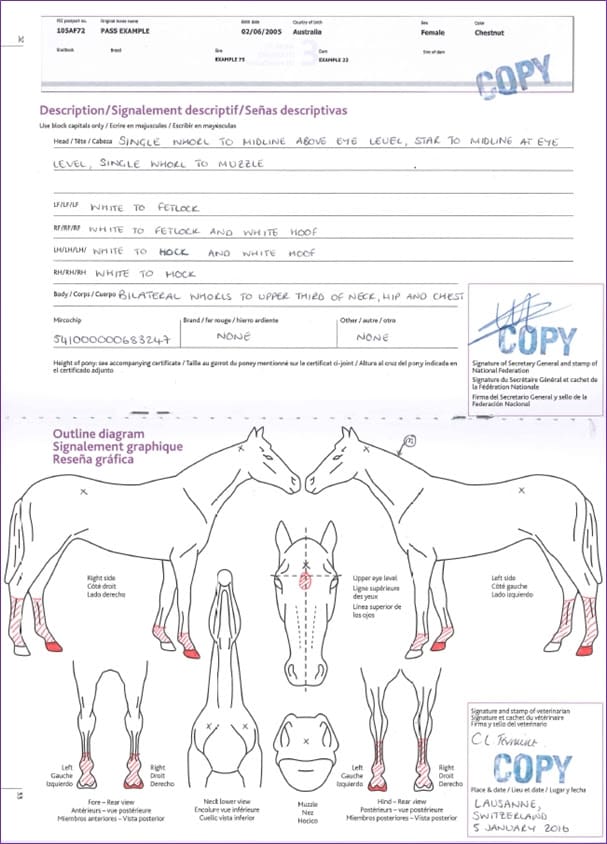
An example of a FEI passport page. Courtesy of FEI
A valid passport or some form of identification for the horse is necessary for export. Passports may be issued by a breed or discipline organization, such as the Fédération Équestre Internationale (FEI). Dr. Greenfield Davis stated that microchips are also widely used for identification. Still, owners should ensure that the horse’s microchip is easily readable and that the information associated with it matches the horse’s paperwork.
Additionally, the owner should factor in the time needed for the USDA to review the required veterinary paperwork and mail it back. When shipping to the EU, for example, all paperwork must be completed within 48 hours of travel, creating a short window of opportunity. “It’s important to have a good team between the shipper and veterinarian that can be on the ball to get it done,” Dr. Greenfield Davis asserted.
Stay Fit for Travel
When the departure day arrives, the horse will need to arrive at the airport a certain number of hours before the flight to be inspected by a USDA agent. This agent will determine whether the horse is physically fit enough to fly, so the horse must be kept in good health leading up to the export date.
Dr. Greenfield Davis shared that open wounds, like summer sores, can be a reason horses are turned away at this stage or are denied entry to the country once they land at their destination.
Be Responsible
Ultimately, owners must begin planning their horse’s travel early, leaving plenty of time to complete blood tests and book the horse’s spot on the airplane. Paying close attention to detail is also essential; owners should carefully review paperwork and prepare the horse thoroughly for travel. Exporting a horse can feel like a daunting process, but having the right professionals to assist can make all the difference in creating a smooth travel experience for both the horse and its owner.
This article brought to you by Palm Beach Equine
For questions or assistance with preparing your horse for export, contact Palm Beach Equine Clinic in Wellington, FL, at 561-793-1599.
Featured Community


Save the Date

The STRIDE Dressage Club of Ocala, established in 1989, serves as the backbone for [...]
Latest News